.svg) Label
Label
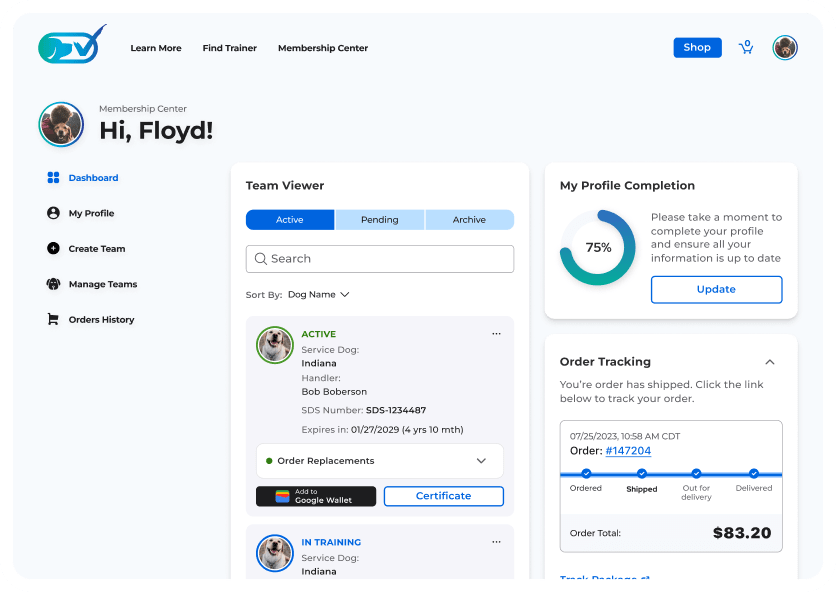
Free and voluntary training and behavior standards and team management solutions for Service Dog trainers, handlers, physicians, therapists, friends, and family.
Subtitle
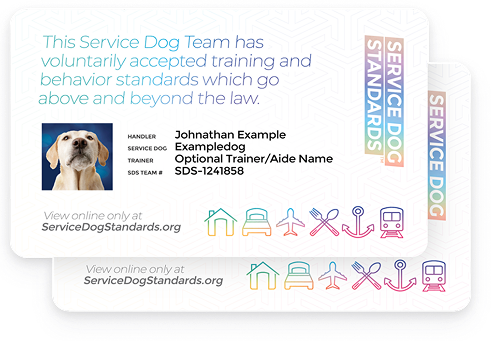
Credentials backed up by Standards.
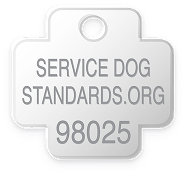
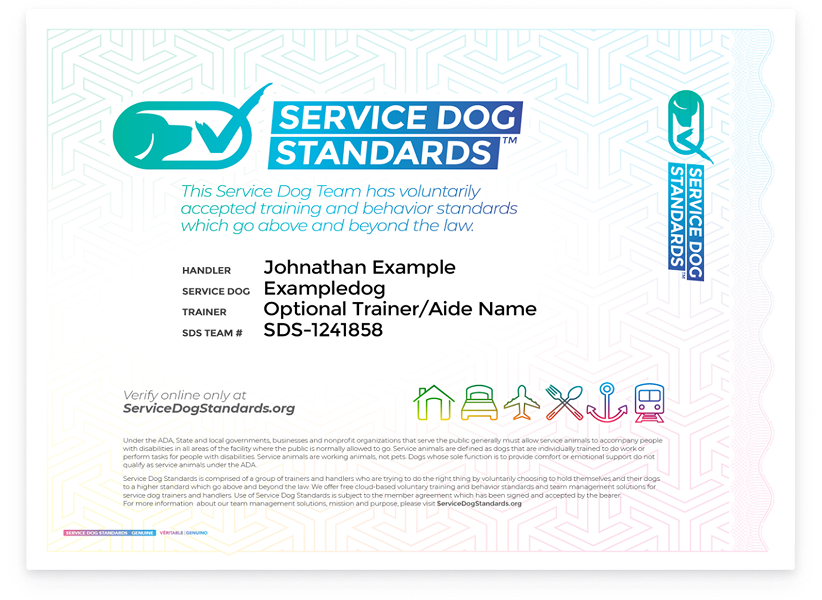
Please help support Service Dog handlers and our ongoing work for the Service Dog community by choosing genuine Service Dog Standards materials available only on this website.
Unlike generic IDs, patches or vests, our service is built on over 10 years of research and collaboration with Service Dog trainers, owners, disability advocates, medical professionals, legal experts, property managers, and landlords.
What Should a Service Dog Act Like?
Service dogs are more than just pets. They are highly trained partners that empower individuals with disabilities to navigate daily life with greater independence and confidence. The key difference between a well-trained service dog and a pet lies in their behavior. While there's no federally mandated certification for service dogs in the U.S., their public behavior speaks volumes.
Every Service Dog Team Is Unique
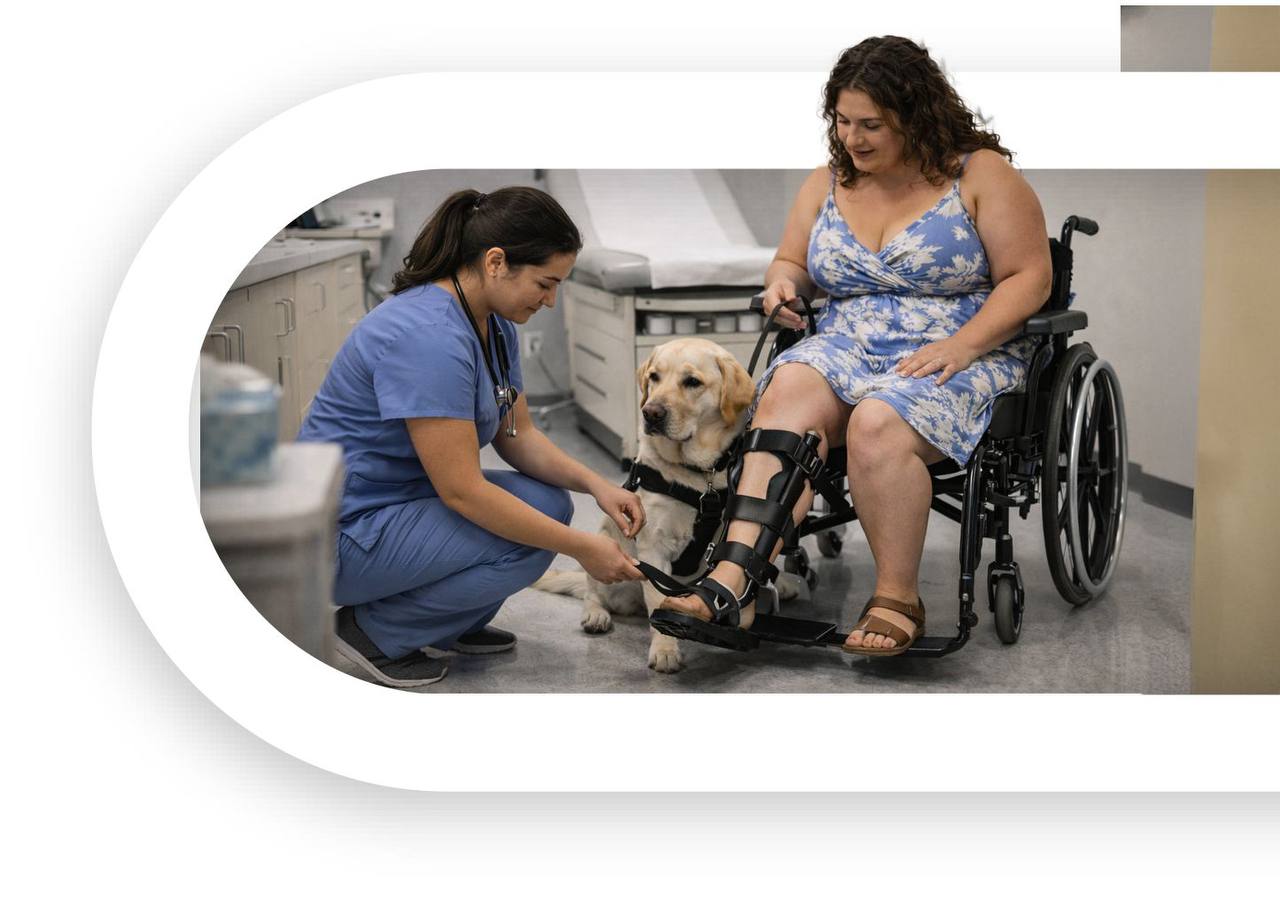
Service dog teams come in all shapes and sizes. Each partnership is built on the specific needs of the handler and the unique skillset of the dog.
The tasks a service dog performs will vary depending on the disability it’s trained to assist with. However, one common thread unites all legitimate service dog teams:
What does it mean to be Individually Trained?
Service Dogs need customized training to perform specific tasks that directly address the handler’s limitations. These tasks go beyond what a well-trained pet can offer and are performed on cue, reliably and precisely. A service dog’s response to commands should be predictable, a testament to the extensive training behind it.
Emotional Support vs. Trained Tasks
Emotional support, while valuable, is not a recognized service dog task. All dogs can provide companionship and emotional comfort. However, emotional support cannot be trained.
In contrast, a service dog can be trained for specific tasks, like:
- Deep pressure stimulation to calm a handler during a panic attack
- Alerting the handler to an approaching person
The distinction is crucial. A dog who isn’t trained to reliably perform tasks that mitigate the handler’s disability doesn’t qualify as a service dog. These untrained animals masquerading as service dogs in public spaces can create difficulties for legitimate teams. They can raise suspicion and lead to access issues for well-trained service dogs.
Service Dog Behavior: Public Manners
A hallmark of a service dog is its calm, focused demeanor while working with its partner in public. Good manners are essential.
Excessive barking, growling, jumping, or fearfulness are all signs that the dog might not be a trained service animal. A dog overwhelmed by its surroundings cannot effectively focus on its handler’s needs.
The Look of a Focused Professional
When you encounter a service dog, it should be evident that specialized training has gone into its behavior. Service dogs should be:
- Calm and attentive to their handler
- Remaining at their side unless directed otherwise or performing a trained task requiring distance
- Not showing undue interest in their environment or strangers
Real service dogs are not destructive, loud, or wild. While some service dogs may bark to alert someone of their handler’s need for help, excessive vocalization outside of task-related work is uncommon.
They should also be non-reactive towards other dogs in public settings, projecting a calm and professional demeanor most of the time.
The Mark of Training
A trained service dog’s skills are often readily apparent. Their exceptional leash manners and ability to move fluidly with their handler are clear signs of dedicated training.
They can:
- Hold positions like stays for extended periods
- Remain relaxed in stimulating environments
- Ignore distractions, reliably performing their tasks regardless of surrounding activity
The number of tasks a service dog performs varies by team. Some may specialize in just a few tasks, while others have a broader repertoire. A trained service dog can perform its duties anywhere the handler needs assistance.
It’s important to remember that a service dog on standby, waiting for a cue, isn’t necessarily inactive. While business owners are allowed to inquire about the tasks a service dog performs to ensure it doesn’t disrupt operations, they cannot request a demonstration of the dog’s training. Handlers should be prepared to offer a clear and concise explanation of their service dog’s tasks.
Public Access Etiquette
Public access training is another hallmark of a service dog. They shouldn’t:
- Block walkways or impede access to items
- Be a tripping hazard or obstacle
- Be startled by common occurrences like automatic doors, strollers, or shopping carts
In essence, a trained service dog acts the part. They don’t resemble a pet on a casual outing. They don’t:
- Create disturbances,
- Attack other dogs,
- Drag their handler around.
They are, quite simply, professionals.
Service Dog Standards: A Resource for the Service Dog Community
At Service Dog Standards, we are passionate about empowering individuals with disabilities and fostering a world of greater understanding and inclusion for service dog teams. We offer a wealth of resources and educational materials on various aspects of service dogs, from exploring the path to acquiring a service dog to navigating public access rights.
By agreeing to Service Dog Standards, you are showing your commitment to supporting the responsible use of service dogs and ensuring greater public access for all legitimate service dog teams. We help you navigate the complexities of training, tasks, and public access in a way that builds trust, respect, and inclusion.
Test tag
Test title
Service dogs are more than just pets. They are highly trained partners that empower individuals with disabilities to navigate daily life with greater independence and confidence. The key difference between a well-trained service dog and a pet lies in their behavior. While there's no federally mandated certification for service dogs in the U.S., their public behavior speaks volumes